
Inspection · F5
Cetane engine inspection
CFR F5 sets ignition delay by compression ratio, then brackets the sample with two reference fuels. Any looseness in the handwheel, injector or cylinder head will drift the cetane number.
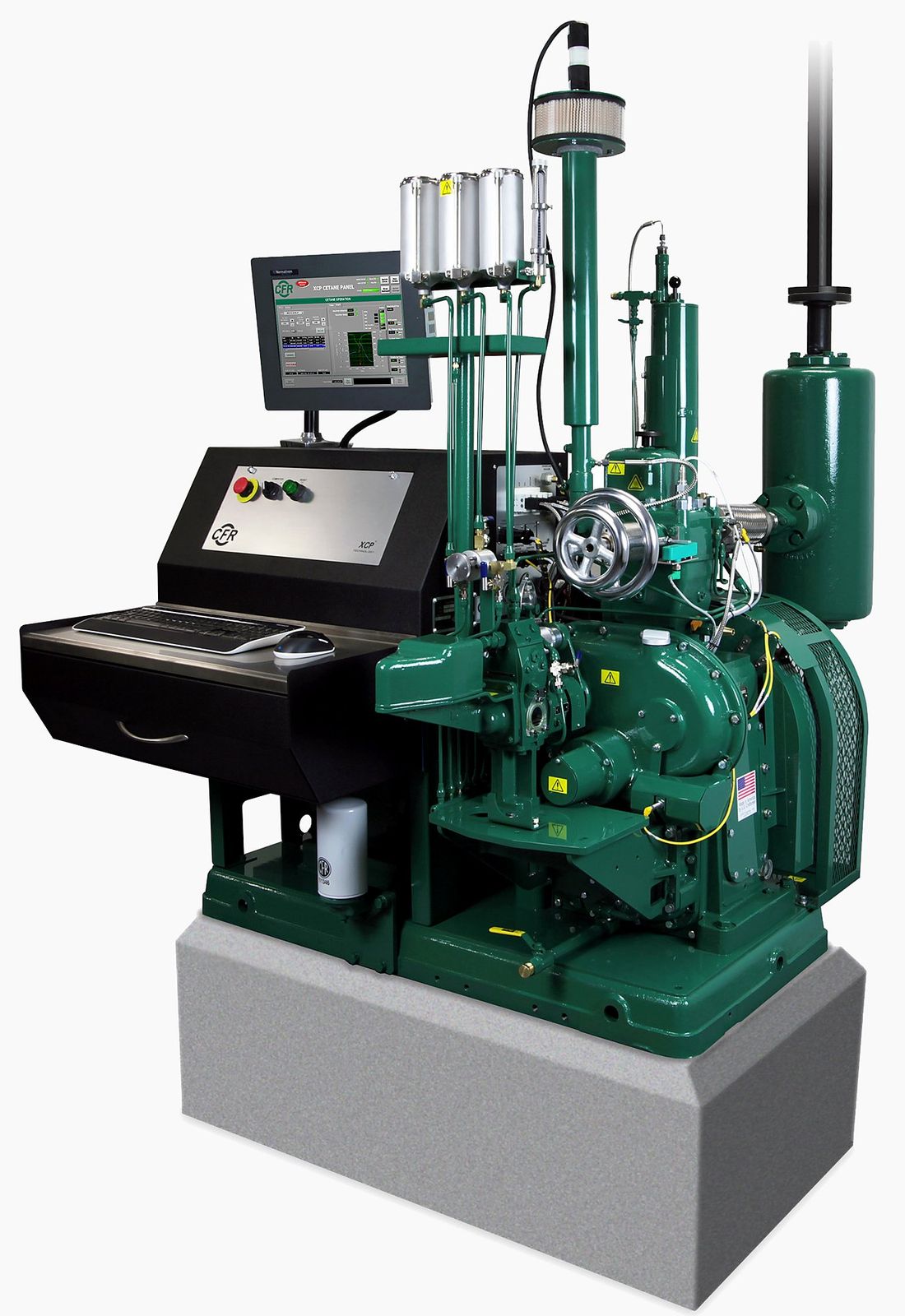
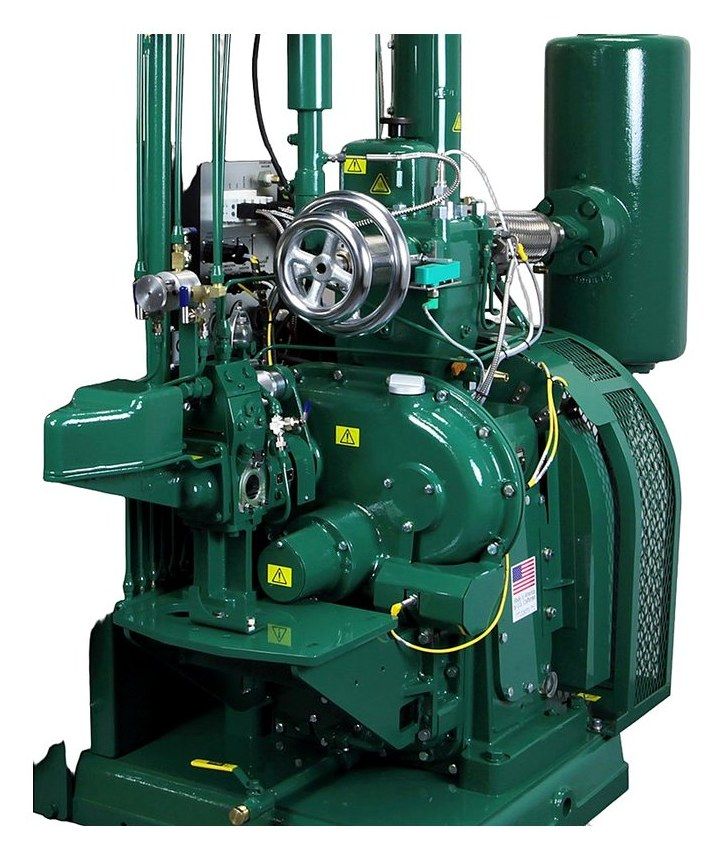
Unlike octane engines
Unstable delay — first ask if compression ratio really stays put
The F5 injection handwheel sets compression ratio. With large backlash, after seating in one direction the scale can still be nudged, and ignition delay wanders. Poor injector spray or changed opening pressure also moves delay, but it can look like a “handwheel problem”.
Public guidance often discusses a longer top-end interval for F5 than for octane engines — commonly hundreds to about a thousand hours — still subject to condition and measurement. Inspection separates “adjust now” from “stop and replace”.
On site
F5 inspection frame
- Nameplate, injection type, control-cabinet generation
- Handwheel backlash both ways; scale vs shaft slip
- Injector-area seepage and return flow
- Spray and opening pressure when test gear exists; otherwise do not report opening pressure
- High-pressure line fittings and metering drips
- Water marks around head, freeze plugs, injector clamp
- Coolant drop rate during a run
- Oil emulsion / water
- Ignition-delay meter zero and pickup
- Reference-fuel labels still match the lines
- Exhaust, foundation bolts, guards
- After long idle — barring resistance; do not force
Electronic-injection F5 units are not adjusted like mechanical ones. If unsure, write “uncertain” in the record — do not force another machine’s settings.
What you receive
Inspection notes with measured backlash, leak observations and a clear next step. Related: cetane repair, handwheel backlash, head micro-leak.
Next step
Tell us the engine model, the symptom, and the last rating run
A nameplate photo helps: research method, motor method, or cetane, and where the reading drifts.