
Overhaul · F1 / F2
Octane engine repair
Top-end, carburetor and crankcase are three different schedules. If adjustment solves it, do not open the crankcase first. When it must be opened, cleaning is not a substitute for overhaul.
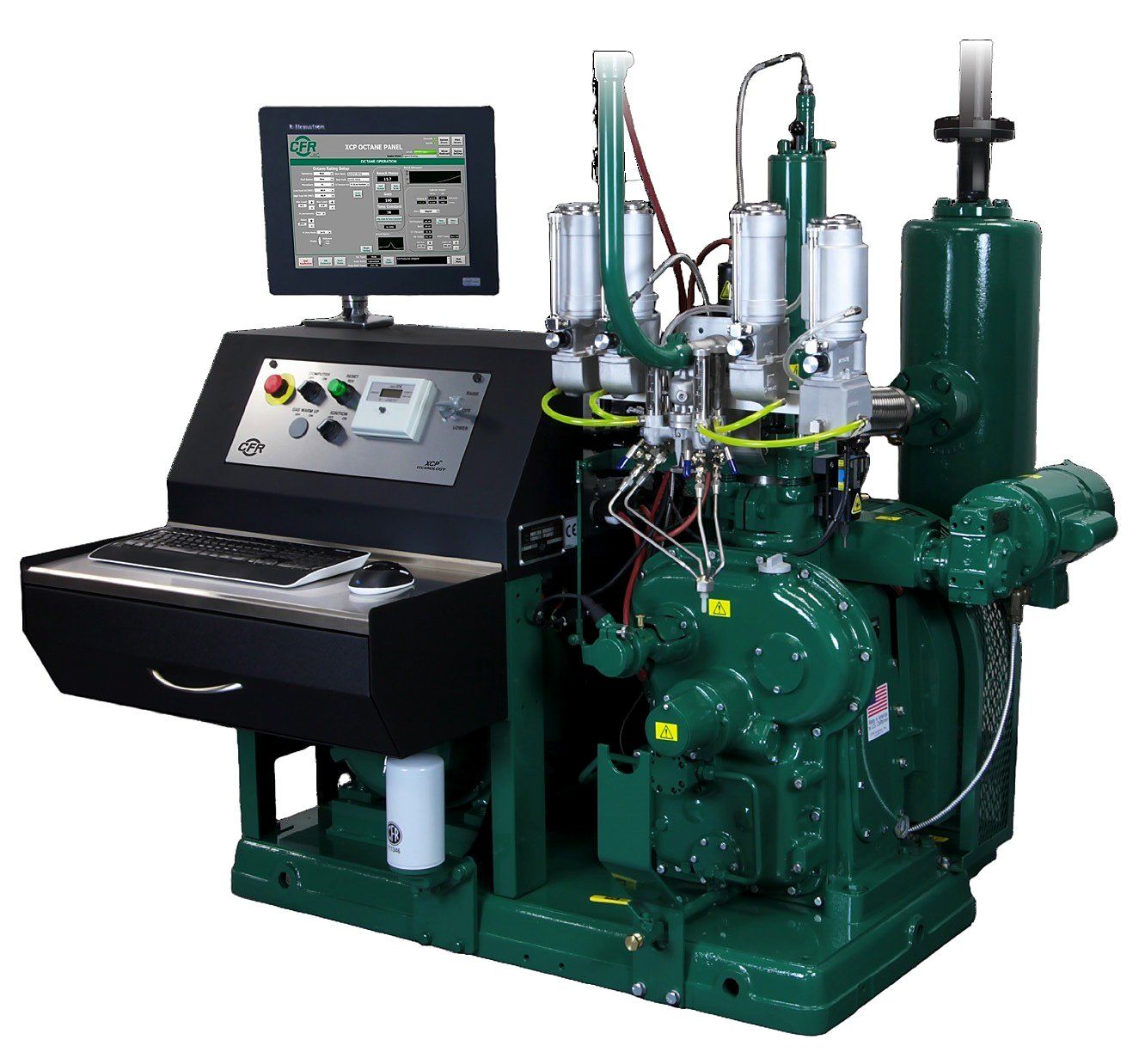
01 · Top-end
Valves, piston, bore — by wear, not by mood
Top-end work usually covers cylinder, rings, valves and guides, related gaskets, and compression-ratio verification after assembly. Public guidance often places this around 100–150 operating hours. When hours are unknown, judge by blow-by, oil use, knock shape and bore condition.
Assembly is not finished when bolts are tight. Cooling, ignition and the knockmeter must return to a rateable state; then check relative position with reference fuels.
02 · Carburetor
Uneven bowl levels hurt repeatability more than dirt
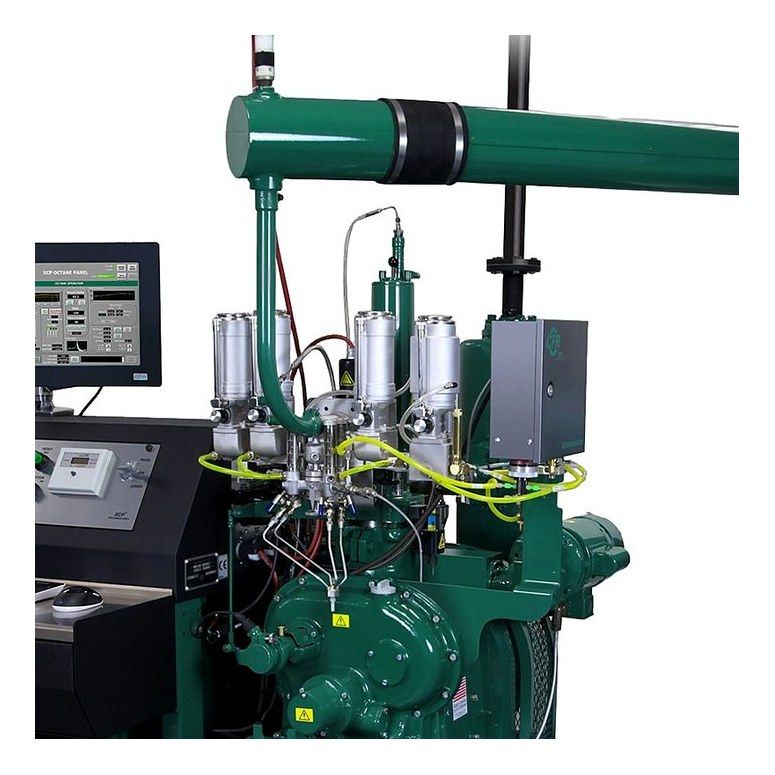
Cleaning removes gum. Grooved needles, leaking floats or cover gaskets need parts and level reset. Then run the same fuel through all four bowls and compare maximum knock. Cross-feed can mix reference and sample in the bowls and invert conclusions.
More detail: four-bowl levels.
03 · Crankcase
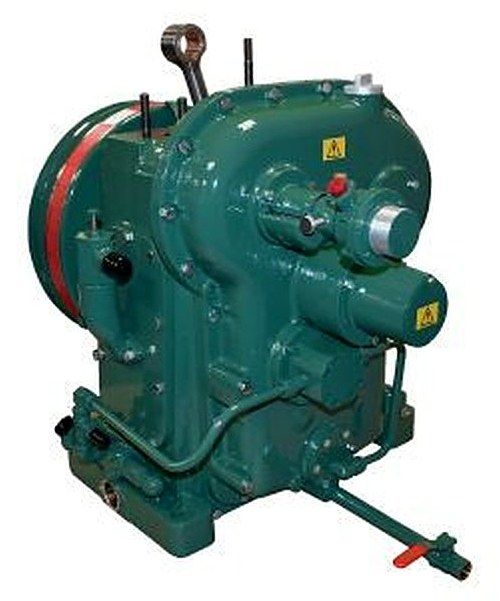
By age and clearance — not as a free add-on to top-end
Main bearings, rod, cam, oil pump and seals are crankcase-level. Public discussion often places this around a decade or by measured wear, not tied to every top-end. Abnormal cold barring needs a clear source — see hard barring.
Rating-engine crankshafts are not automotive break-in logic. Insufficient clearance means open again — do not run tight.
Next step
Tell us the engine model, the symptom, and the last rating run
A nameplate photo helps: research method, motor method, or cetane, and where the reading drifts.