
Technical note
Knockmeter zero drift on octane engines: research readings low across the board
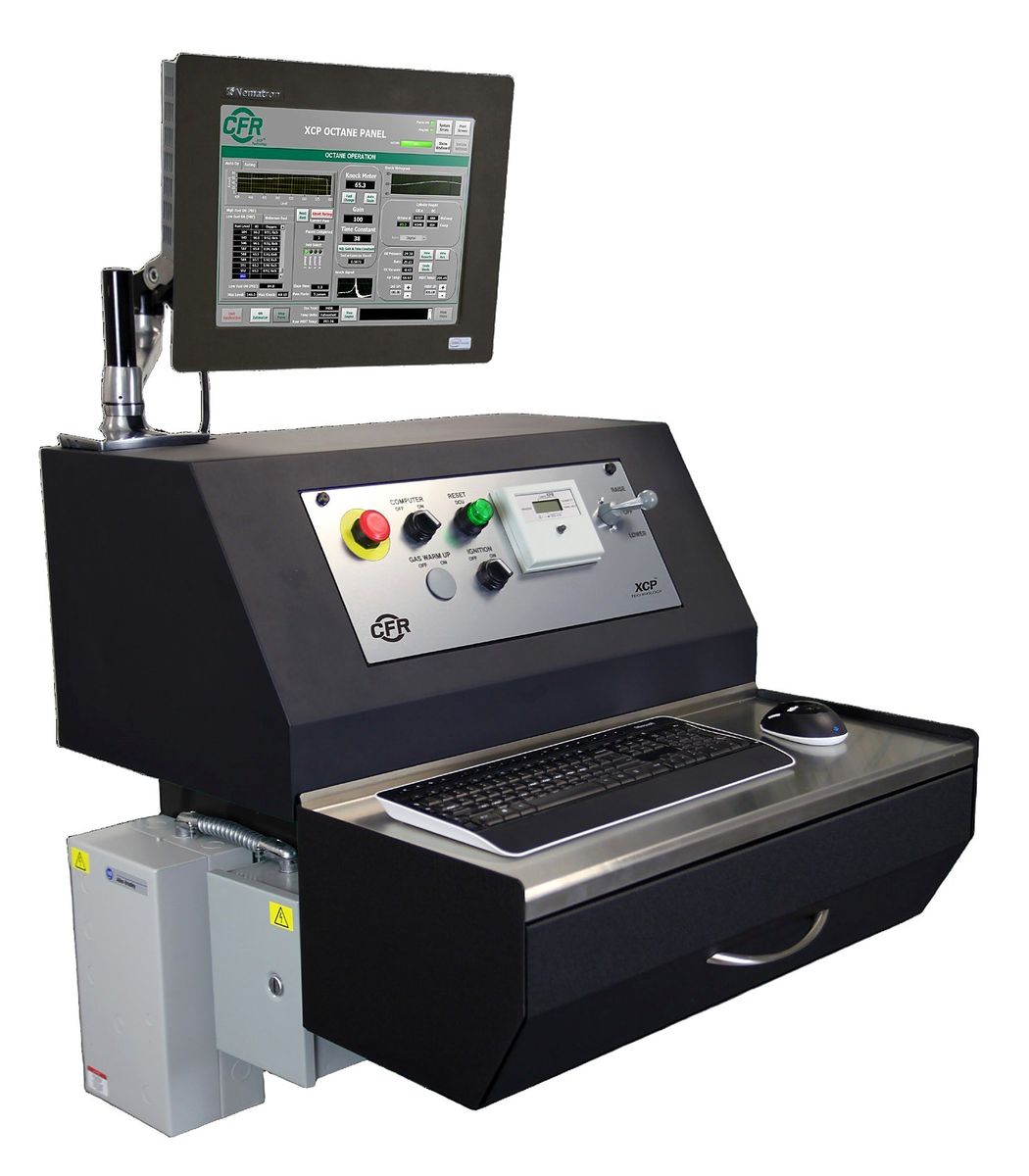
A common alarm: the same reference fuel reads a full step lower on the research method than last month; change the sample and the low bias remains. Keep the sample, but when references are low together, do not declare the fuel off-spec first.
Confirm which method is running
F1 research and F2 motor methods do not share the same intake-humidity and mixture-heat state. On a combination unit, if only compression ratio was changed while the ice tower or heater stayed on the previous method, knock shape changes and the meter can look faulty. Record clearly whether the day is ASTM D2699 research or motor method. GB/T 5487 is a common national counterpart — the laboratory text prevails.
Check the meter before the fuel
After warm-up, is zero still where it was? After a light tap on the case, does the pointer return? Reading against a drifted zero shifts every fuel the same way — and repeats can look “stable” on the wrong zero.
Next is the pickup. Missing washer, torque into the housing, or a signal cable on the exhaust pipe all change transmission. Compare installation torque and cable path to previous photos; if none exist, start keeping them now.
Temperature — innocent or primary?
Coolant or intake temperature outside the method’s usual band changes knock intensity while the meter itself may be fine. Order of work: method configuration, meter zero, pickup, temperature, then carburetor level and needles. Low level leans the mixture and changes knock shape, but usually does not translate every bowl and every reference by the same amount in the same direction.
Compression-ratio handwheel backlash
Turning to the same mark from opposite directions with a large actual CR difference drifts readings with operator habit. That is separate from meter zero — log them apart.
What “checked” means afterward
After zeroing, re-securing the pickup and verifying temperature, use two reference fuels for relative position — do not declare the unit fixed from one sample. If the reference span still matches laboratory experience, put the sample back. Tolerances follow the laboratory’s standard text.
When reference fuels are low together, check instrument conditions first.
Related: octane inspection. If zero and pickup are sound but repeatability still tracks the bowl, see four-bowl levels.